Dummy Ticket vs Onward Flight Ticket for UK Travellers: What to Choose
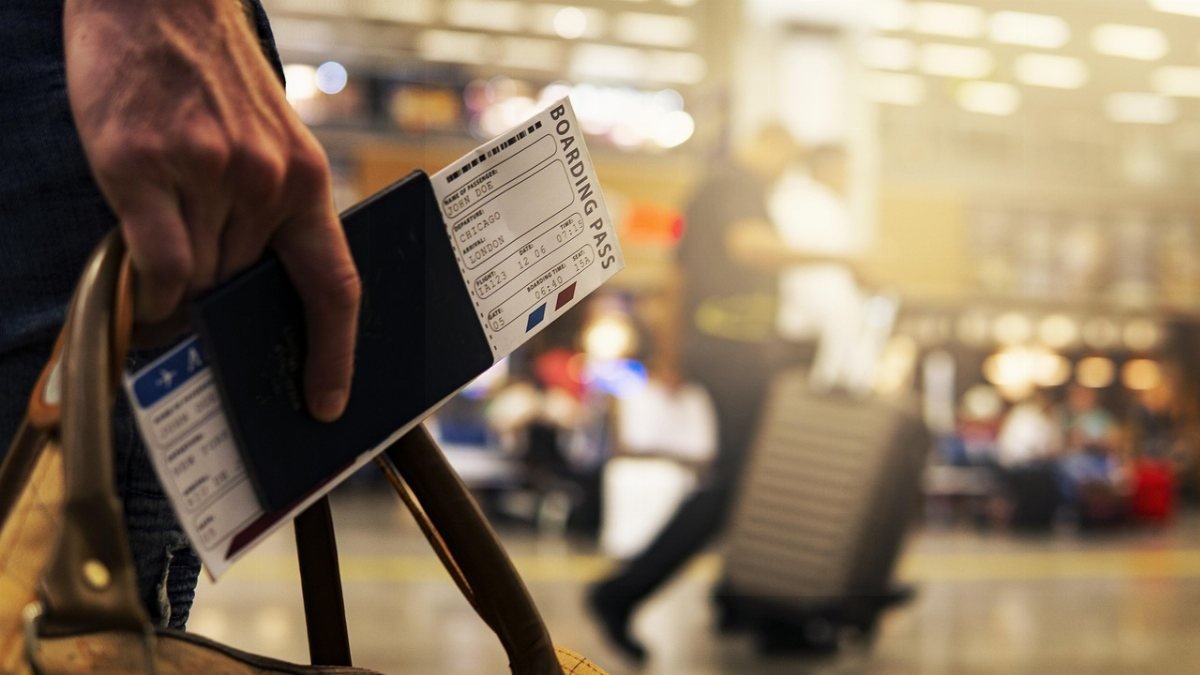
- A dummy ticket usually means a document with no real booking behind it, so never offer or submit one
- A flight reservation is a real airline booking record with a booking reference (PNR) that can be looked up
- A reservation can be held for a set time and then cancelled without flying
- Embassies decide what they accept, so check their current guidance before you apply
- Keep your reservation details, dates and passenger name exactly matching your passport
What people mean when they search for a dummy ticket
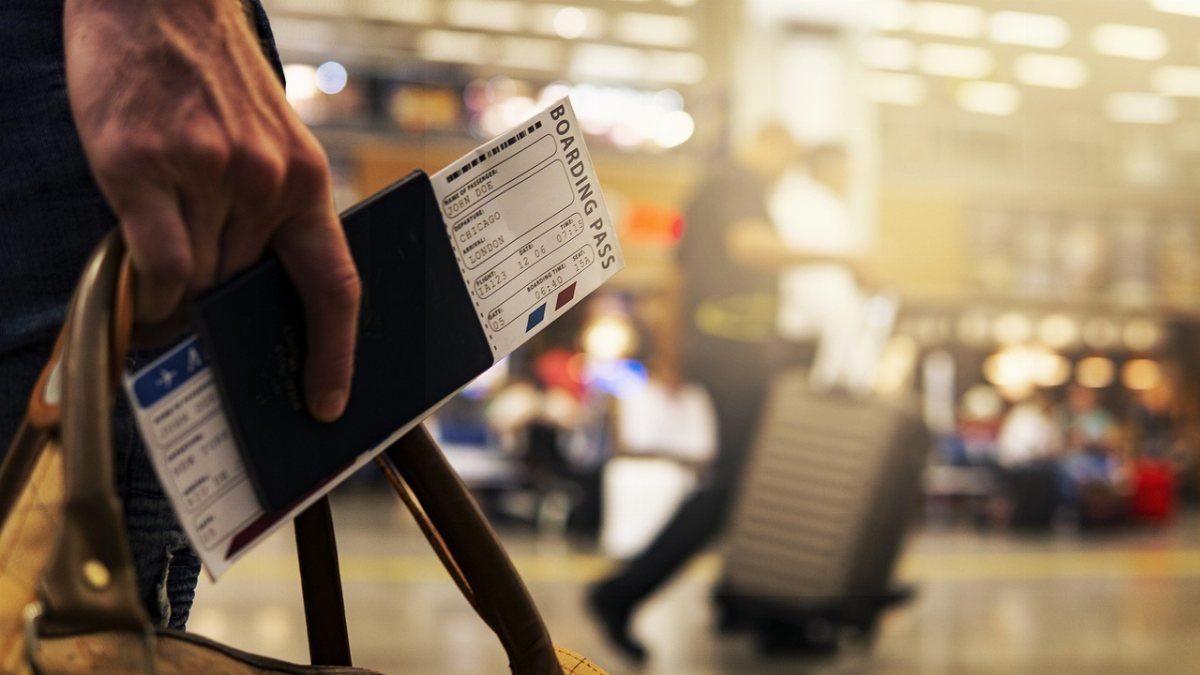
Many people land on the phrase "dummy ticket" after a quick search, usually because they have heard a friend mention it or because a visa checklist asks them to show how they will travel. The words suggest a simple document that proves a trip exists, and for a nervous applicant that can sound like exactly what is needed. It is a natural thing to type, and there is nothing unusual about it.
In practice, though, most applicants are not looking for a fake or forged document, and this site does not offer one. What they nearly always need is a real flight reservation: a genuine booking record held with an airline or a reservation system, with a booking reference that can be checked. Take a UK applicant planning a short visit to Lisbon who has not yet bought a flight. Their embassy wants to see how they plan to travel and when they plan to leave, and a held reservation with a reference and a clear itinerary answers that question directly.
The difference matters. A reservation shows a plan and can be verified, while a fabricated document cannot be verified and creates real risk for the person who submits it. Understanding that gap helps you choose the right kind of proof from the start, rather than hoping a vague document will pass unnoticed.
What a flight reservation is and what it is not
A flight reservation is a real booking record held with an airline or a booking system. It carries a booking reference, usually a six-character code, along with the passenger's name as it appears on their passport, the route, the travel dates and the flight numbers. Because the record sits in the airline's own system, the reference can be checked directly with the carrier. That checkability is what makes it useful for a visa file, since an embassy reviewer can see that the booking exists and matches the details you have given.
What a flight reservation is not is a paid, issued ticket. A reservation can be held for a set period without payment, and the airline may cancel it if it is not paid for by the deadline. It is also not a promise that you will fly, and it is not a substitute for your visa decision. The embassy weighs your whole application, and a reservation simply shows a plan that can be looked at.
Take a student from Leicester who has been offered a place in Toronto for September. She needs to show her intended onward travel from Canada, but she has not yet decided whether she will buy the ticket before her visa is decided. A held reservation on the correct route, with her passport name spelled exactly as printed and a reference she can give the reviewer, shows a real and verifiable plan without committing her money.
Keep in mind that the reference only proves something if the details inside it are accurate. Before you rely on any booking record, check the spelling of your name, the dates and the airports against your documents. A reservation that matches your application is far more persuasive than one that merely looks official.
Why a verifiable flight reservation suits a visa file

A booking reference is something a reader can actually check. When you hold a real flight reservation, the airline or agent holds a matching record under that reference, with your name, dates and route. An embassy reviewer who wants to confirm your plans can look at the details and see that they line up with the rest of your file. That kind of checkable detail is what makes a document useful, because it shows the reviewer what you intend to do rather than asking them to take your word for it.
Consider someone applying from Manchester for a short business visit to Canada, with a meeting booked in Toronto and a hotel confirmed for the same week. A reservation showing a Manchester to Toronto outbound and an onward or return leg on the dates in the letter tells one consistent story. If the reference can be verified against the booking system, the reviewer is looking at a plan that holds together, not a document that just appears tidy.
It is worth being clear about the limits here. A verifiable reservation does not promise a visa, and the embassy makes its own decision based on the whole application. What the document does is reduce confusion, so that your intended travel is easy to understand. An honest, consistent picture of your plans tends to serve applicants better than an impressive-looking page that the reviewer cannot connect to anything else in the file.
Onward flight versus return ticket proof: which one do you show?
Many applicants stop at the question of whether they need an onward flight or a return flight, but the honest answer depends on what your application actually asks for. Start by reading the requirements for your specific visa and checking what the official guidance says about onward or return travel. Some applications ask for evidence that you will leave the country when your stay ends, others simply want to see how you plan to get home, and a few have no such requirement at all. Your job is to match the evidence to the question, not to bring every document you can think of.
A return ticket shows that you will fly back to where you came from, which is the simplest picture for a short visit. An onward flight shows that you will travel on to a third country after your stay, which matters when your next destination is not your home. Showing both is only sensible when the file genuinely needs both, such as a trip that loops through several countries.
Consider a Manchester resident applying to visit a friend in Lisbon for ten days before continuing to Madrid for a conference. Her file already explains the Lisbon stay, so an onward reservation from Lisbon to Madrid, paired with the Lisbon arrival details, tells the same story. A return ticket to Manchester from Madrid would contradict the rest of her plans, so presenting it would only muddy the picture.
Keep it simple: give the reviewer the one document that matches the question being asked, and make sure its dates and places agree with your cover letter and itinerary. If you are unsure which your application needs, check the official requirements or ask the relevant embassy before you book anything.
A first-timer example for a UK applicant
Imagine someone living in Hackney, London, who has been invited to a wedding in Lisbon and plans a four-day trip in the spring. Their embassy wants to see how they will travel, so they begin by sorting out what document to prepare. Rather than thinking about the paperwork first, they start by writing down the basics: the travel dates, the city they will fly from, and the city they will land in.
For this traveller, the document they would prepare is a flight reservation for the outward journey, held under their own name and matching their passport exactly. They might also add the return leg if the application asks for proof of departure. The booking would show a real airline reference, the route from London Stansted or Heathrow, and the dates that match the wedding invitation and their cover letter. Nothing about the trip needs to be complicated, and nothing needs to be invented.
Before booking, this applicant would check three things: that the name spelling is identical to the passport, that the dates line up with the hotel reservation and any letter from the wedding couple, and that the embassy's guidance on what it accepts is clear. If they are unsure whether an outward flight or a return flight is enough, a quick message to the embassy settles it. A reservation that is held for a short period can serve well here, since the applicant gets a verifiable record without committing to the full fare until the visa decision is known.
If you are in a similar position and want a flight reservation with a booking reference that you can check, you can request one through HappyVisiont, and the PDF usually arrives in your inbox within two hours.
Holding a reservation without buying a flight
Many travellers hear about airline "holds" and assume they are the same thing as a reservation. They are not, and the difference matters when you are putting a document in front of an embassy. An airline hold is a temporary block on seats, usually for a short window, and it is held for the airline's own purposes. It sits inside the carrier's booking system but is not a confirmed record you can hand over as a finished booking.
A hold typically lasts a few hours or days and then releases automatically if nobody pays. During that time the reference may appear on a screen or in an email, but the status is provisional, and the fare or even the flight can change before you commit. Some airlines show a hold only in their own app or to a logged-in account, which makes it awkward to share. Expect the status to change without much warning, and do not rely on it being there when you later need to show it.
A flight reservation record is different. It is a booking with a reference that a traveller can look up, and it shows the passenger name, the route, the dates and the flight numbers as they stand. Think of a UK applicant with a planned visit to Lagos, for example, who wants to show a departure date a few weeks after the visa interview. A temporary hold for that route would not give the same steady picture as a booking record with a reference that stays put while the application is reviewed.
Holds are useful when you are still deciding dates, but for a visa file you want something stable and checkable. Always confirm which of the two you are looking at before you rely on it.
Keeping your flight itinerary consistent with your application
Your flight itinerary is only as useful as its match with the rest of your application. A reviewer who sees one set of dates on the form and another on the reservation will start asking questions, even if both documents are genuine. The aim is simple: every detail should say the same thing in every place it appears.
Start with your name. Copy it exactly as it appears on your passport, including the order of names, any middle names and the spelling of any hyphen or accent. If your passport and the form differ, fix the form first, because the airline booking must follow the passport.
Next, check the dates. The outbound and return dates on the reservation should line up with the dates you state in your application, your travel plans and any accommodation you have booked. If you have not decided the exact day yet, choose a realistic date within your planned trip rather than leaving a gap.
Routes matter too. Suppose a student from Manchester is applying to study in Lisbon, with a planned stay ending in Manchester. Her reservation should run Manchester to Lisbon and back, with the same cities named in her letter and form. Mixing up the departure airport or city is one of the quickest ways to create confusion.
Finally, read everything side by side before you submit. Compare the reservation, the application form, your passport and your covering letter, and correct anything that does not match. A short, consistent story is easier for anyone to trust.
Common mistakes and what to check before you book
Most problems with a flight reservation come from small details that do not line up, rather than from the booking itself. The most common is a name mismatch. Your name on the reservation must match your passport exactly, including the middle name, the order of names and any hyphen or accent. A reservation booked as "Sarah Jane Okafor" when the passport reads "Sarah J. Okafor" can cause questions at the desk or in the file, so copy the spelling directly from the passport page rather than from memory.
Wrong dates are the next thing to check. Confirm the day, the month and the year, and make sure the departure date falls within the period you describe in your application. Watch out for mixed-up date formats, since 04/05 means 4 May to a UK reader but 5 April to some people elsewhere.
Holds expire, and an expired hold is no longer a reservation you can show. If you booked a provisional hold, check its expiry time before you rely on it, and make sure it is still active on the day you submit.
For example, a Lagos-based applicant whose hold was set to lapse three days before her interview could have been left holding nothing at the desk. Checking the expiry date the week before fixed it.
Before you book, run through this checklist:
- Name matches the passport character for character
- Route and city pairs are correct, for instance London Heathrow to Accra rather than a similar-sounding airport
- Dates, including the year, are right and in the expected format
- Any hold or reference is still valid on the day you submit
- The reservation agrees with your application form and covering letter
Useful next steps
- Work out your dates with the free visa timeline planner and check your papers with the reservation validity checker.
- Read: Onward Ticket for Visa: Reservation, Refundable Ticket or Paid Ticket?
- Read: Visa Application Flight Reservation Mistakes: Seven Checks Before You Submit
Frequently asked questions
Is a dummy ticket the same as a flight reservation?
No. A reservation is a real booking record with a reference, while a dummy ticket usually has no real booking behind it.
Can I get a flight reservation with a PNR for a visa application?
You can book a flight reservation that gives you a booking reference you can share, and check the embassy's guidance on what they accept.
How quickly will I receive my reservation PDF?
Orders are usually delivered within two hours, and you can check your email for the document.
Do I need a return ticket or an onward flight?
It depends on the embassy's requirements, so check what they ask for before choosing.
Can I cancel a flight reservation after I get my visa?
Reservations can usually be cancelled, but check the terms of your booking before you rely on it.
Is a flight reservation the same as a ticket?
No. A reservation is a booking record with an airline reference. A ticket is paid for and lets you fly.
More from the blog
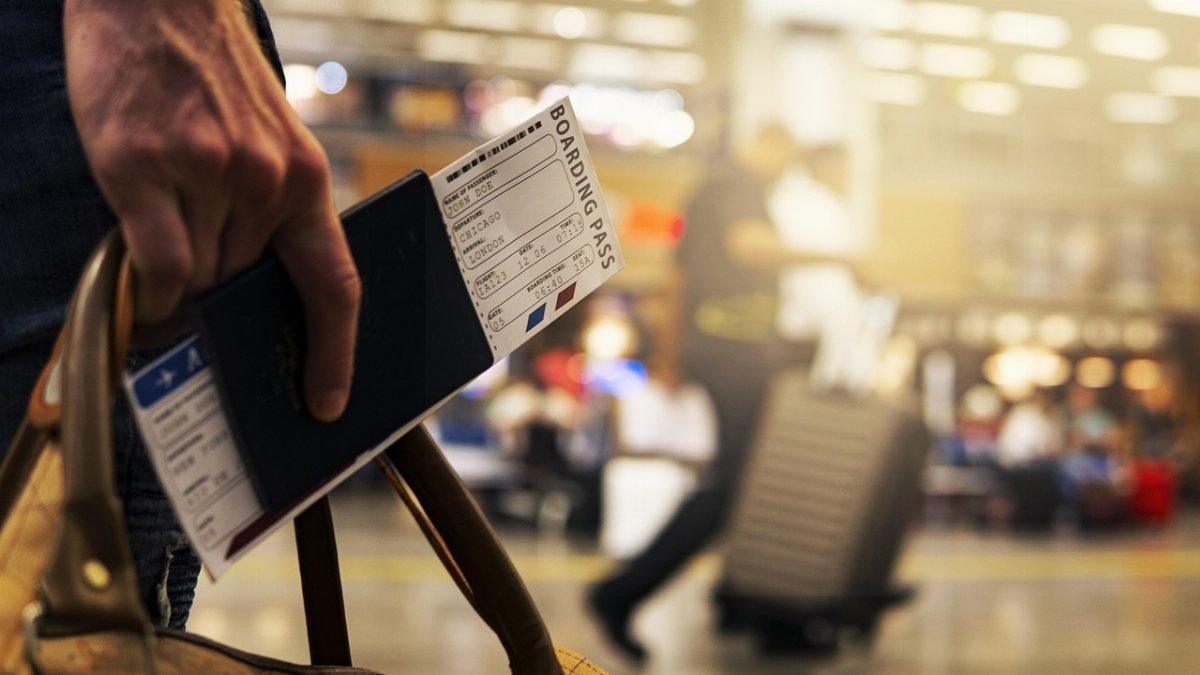
Dubai Visa Flight Reservation: Matching Passport Names and Dates
Short answer: A dubai visa flight reservation is a real airline booking record, with its own booking reference, that shows your onward or return travel plans in ...
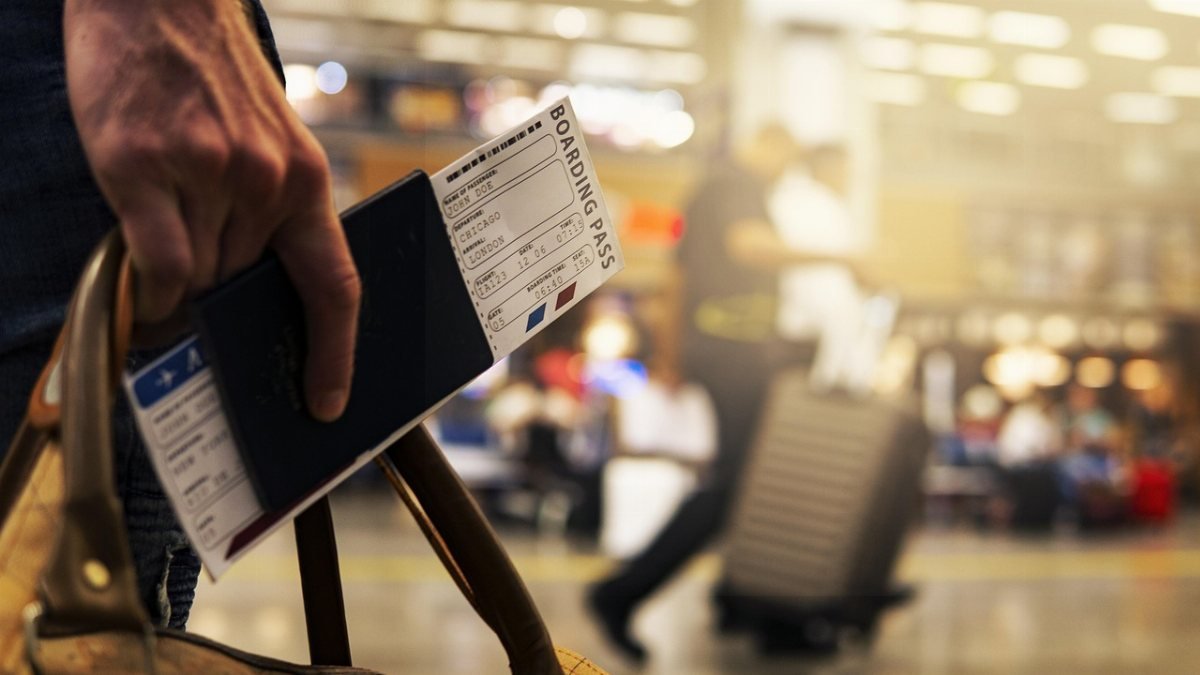
Flight Reservation for Dubai Visit from Manchester or Birmingham
Short answer: A flight reservation for a Dubai visit from Manchester or Birmingham is a real airline booking record with a reference number, showing your planned...

Dummy Flight Ticket for Schengen Visa: What Embassies Actually Check
Short answer: A dummy flight ticket is not a valid document, and most Schengen applicants from the UK actually need a flight reservation: a real airline booking ...