Schengen, UK and USA Visas: How Travel Proof Differs
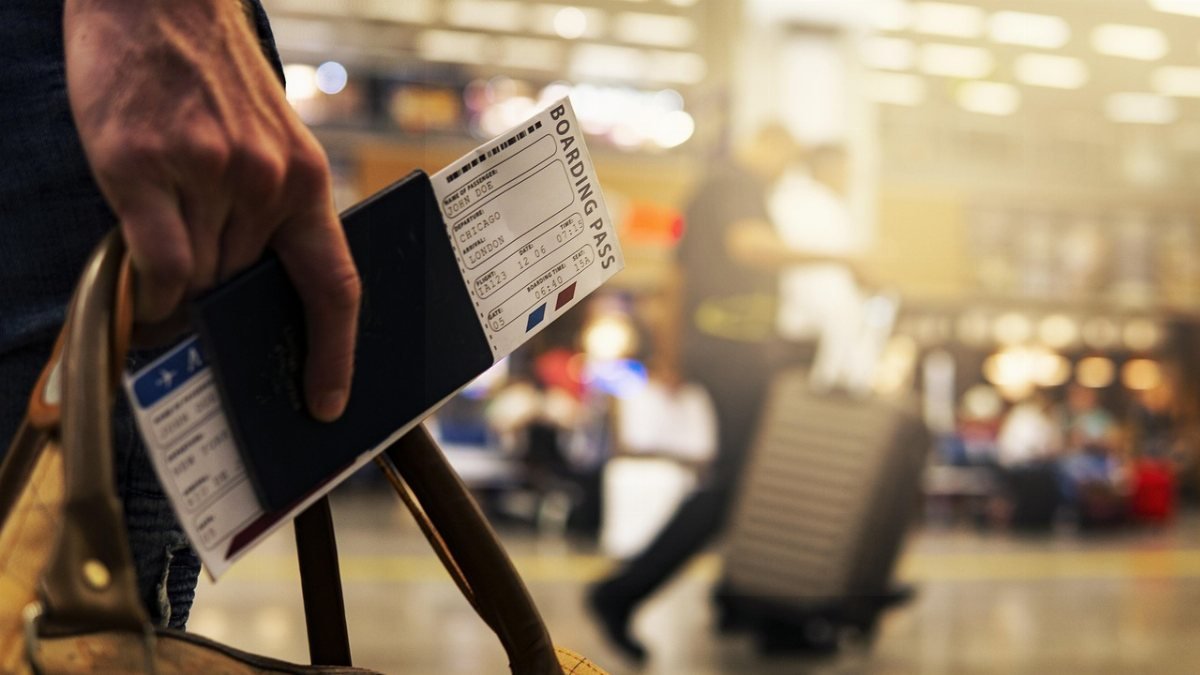
- A flight reservation is a real airline booking record with a reference, not a ticket and not a visa
- Each embassy or consulate sets its own list, so the official page for your route always comes first
- A reservation can show your plans, but it does not guarantee a visa
- Hold-only bookings and paid tickets are different things, and you should say which one you have
- Keep your passport, dates and names identical across every document you send
How a Schengen visa office usually looks at onward travel

How a Schengen visa office usually looks at onward travel
When you apply for a Schengen visa, the officer reviewing your file is trying to build a picture of your trip from start to finish. They want to see that you plan to enter, spend your time in the Schengen area for a stated purpose, and then leave before your permitted stay runs out. Onward travel is the part of that picture that shows where you go next, and it tends to be read alongside the rest of your documents rather than on its own.
In practice, officers often check that the dates on your flight reservation line up with the length of your stay, your hotel or accommodation bookings, and your travel insurance cover. If your insurance runs to the 15th and your flight reservation leaves on the 20th, that mismatch is the sort of thing that prompts a question. Small details like these help an officer see that the plan hangs together.
Take someone flying from London Heathrow to Lisbon for a ten-day visit, staying in Lisbon and Porto, and returning to London on the day they booked. Their flight reservation shows the outbound date, the return date and the route, their hotel confirmations cover each night, and their insurance matches the full trip. Nothing in the file contradicts anything else, which is usually what makes a plan easy to follow.
Keep in mind that the embassy or visa centre makes the final decision, and no document guarantees an outcome. Your job is simply to present a consistent, honest plan.
What UK visa applicants tend to be asked about their trip
For UK visa applicants, the questions tend to centre on why you are travelling, who you are travelling with, how long you plan to stay and how the trip is being funded. The application form and any supporting letters should tell the same story, and a reader should be able to follow your plans without guessing. Officers usually want to see that your reason for going matches the visa you are applying for, and that the details you give are realistic for someone in your position.
Many applicants are asked to explain their itinerary in their own words, so it helps to be able to describe the trip clearly. Think about where you will go, how you will get there, where you will sleep and what you intend to do. A short, honest summary you could give in a sentence or two is often more useful than a long list of unconfirmed plans.
Take Priya, who lives in Leicester and is applying for a UK short-stay visa to visit her cousin in Manchester for ten days. Her application makes sense because she has a named host, a planned stay with dates, and a return journey that fits within the period she has asked for. She keeps her answers consistent across the form, her bank statements and her covering letter, so nothing seems to contradict anything else.
This is where a flight reservation can sit comfortably in the picture. A booking with a real airline reference, showing the dates and route, supports the plan you have already described; it does not replace the explanation. Used alongside your purpose, your funds and your accommodation, it helps show that the trip is being arranged with care. Whether it is needed, and how much weight it carries, depends on your circumstances and on what the authorities ask for.
If you would like a flight reservation that matches your dates and route, you can book one through HappyVisiont, which sends the PDF to your inbox within two hours. Check the details against your own plans before you submit anything.
What a US visa interview often focuses on
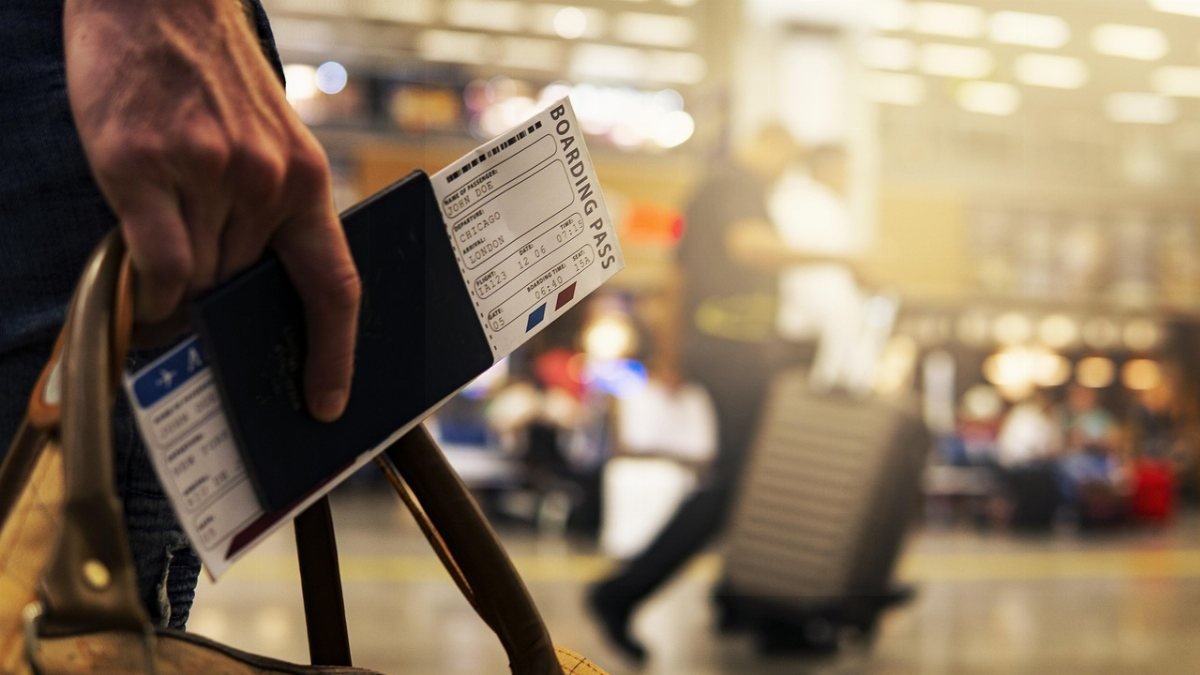
For a US visa, the interview tends to centre on one question more than any other: does the applicant have strong enough ties to their home country that they will return after a temporary visit? Officers often want to hear about work or study commitments, family responsibilities, property, and the plans that make a return home a natural next step. The travel itself is part of the picture, but it rarely carries the decision on its own.
Consider a software developer from Manchester applying for a short holiday in the United States, with a job to return to and a planned wedding in the autumn. Her onward flight reservation shows she intends to leave on time, which helps. What tends to matter more in the conversation is her employment letter, her leave approval and the reasons she has for coming back, all of which make the trip look like a visit rather than a move.
Many applicants find this reassuring once they understand it. A flight reservation supports the plan you describe, but it cannot stand in for a clear, consistent account of your life at home. If your reservation dates contradict what you told the consular officer or the form, that gap is far more likely to cause trouble than a missing document.
It also helps to keep your story steady from start to finish. Use the same dates, the same purpose and the same details across your form, supporting letters and anything you say at interview. A reservation that matches those facts is simply one more consistent piece of evidence, and it is the applicant's own honest account that the officer weighs most heavily.
Scenario: Amara's Schengen trip from London
Amara is a fictional applicant living in Leeds who has been invited to a conference in Lisbon and wants to spend four days in Porto afterwards before flying home from London. She starts by writing down her plan in plain terms: the arrival date, the days in each city, and the departure date. Only once those facts are settled does she look at flights, because a reservation that contradicts her itinerary would undermine the rest of her file.
She searches for a return flight from London Heathrow to Lisbon and then a separate route home, and chooses a departure date that sits a few days after her conference ends. She books a flight reservation on the website, pays, and receives a booking reference from the airline along with the PDF itinerary, which she saves. She checks that her name matches her passport exactly, letter for letter, because a mismatch is one of the simplest things to get wrong.
Next, Amara assembles the file around that reservation. She places the itinerary beside her accommodation booking in Porto, her conference invitation letter and her bank statements, so that each document tells the same story. Her dates agree across every page. If something changes, such as a rescheduled conference, she updates her booking through the airline rather than leaving an outdated record in the pack.
Finally, Amara rereads her plan and makes sure she can explain it in her own words. The embassy will weigh her honest account most heavily, so she practises describing the trip calmly and briefly. Her reservation simply confirms what she has already said.
Does a flight reservation count as travel proof for a visa?
Whether a flight reservation counts as travel proof for a visa depends on the embassy and the category of visa you are applying for. What a reservation does well is show that a specific journey has been arranged, with real dates, real airports and a booking reference that the airline can confirm. Visa officers often read that as evidence that your plans are concrete rather than vague, and that matters when they are weighing whether you intend to leave at the end of your stay.
What a reservation cannot do is prove your intentions on its own. A booking record shows that a seat was reserved; it does not show who will sit in it, or whether the trip will be taken. It also cannot stand in for the documents the embassy actually asks for, such as your passport validity, accommodation details, financial evidence or invitation letters. Think of it as one supporting piece in a wider file, not a substitute for the file.
Take Amara, who lives in London and is applying for a short Schengen visa to visit family in Lisbon. Her reservation shows a return from Lisbon on a named date, which fits neatly beside her hotel booking and her employer's letter confirming leave. The reservation supports what she has explained in her application, but it does not replace any of those documents.
The embassy's own guidance always comes first. Check its published list for your visa type and follow it exactly, and if a question is unclear, ask the embassy or the visa centre directly rather than guessing from a forum post.
Flight reservation versus airline hold versus paid ticket
Many people use the words "flight reservation", "airline hold" and "paid ticket" as if they meant the same thing, but they describe three different stages of a booking, and it helps to know which one you actually hold before you show it to anyone.
A flight reservation is a booking record. The airline or booking service creates it with a reference number, your name as it appears on your passport, the route, the dates and the flight numbers. It shows that a seat has been set aside against your details, and it can be checked against the airline's system. It is not a ticket, and it has not been paid for yet, so the reservation can still lapse if the time limit passes.
An airline hold is a short window in which a fare or seat is kept for you without payment. Airlines usually set a deadline, and if you do not pay by then the hold drops away. It is useful when you need a few days to decide, but it is the least firm of the three, and a hold that has expired shows nothing on a visa file.
A paid ticket is what most people picture when they say ticket. It is a confirmed, paid booking with an e-ticket number that the airline has issued. Once paid, it can be refunded or changed only according to the fare rules.
For example, a student flying from Manchester to Lisbon for a short course might hold a fare for three days while deciding on dates, then pay once the travel plans are settled. Until payment, what she has is a hold, and it should be described as one.
Dummy ticket and dummy flight ticket searches explained
Many people type "dummy ticket" or "dummy flight ticket" into a search bar when a visa form or embassy checklist asks for proof of onward travel and they feel stuck. It is a natural thing to search, and it usually reflects a simple worry: they need something on paper that shows they will leave the country. The honest answer is that what most applicants actually need is a flight reservation, meaning a real airline booking record with its own reference number, rather than anything made up to look like a ticket.
Think of a student in Leeds who has been offered a place on a summer programme in Milan. The application pack asks for evidence of an onward or return flight. She does not need to fly yet, and she does not want a document that pretends she has already bought a seat. What fits her situation is a genuine reservation that she can later confirm, change or cancel, showing a real route, real dates and a reference the airline will recognise if anyone checks it.
Where a reservation is legitimate, the paperwork is simply the airline's own record of a booking. It can be verified directly with the carrier, and it sits openly within the visa file. Anything presented as a ticket that was never issued by an airline is a different matter entirely, and it is not something this service offers or suggests. If a checklist specifically asks for a paid ticket, it is worth asking the embassy or visa centre what they will accept before you proceed.
Common mistakes and what to check before you book
Before you book anything for a visa file, a few small checks can save you a lot of trouble. Most problems we see are not about the trip itself but about details that do not quite match. A name that appears differently on your passport and your reservation, or a date that is a day out, can raise questions that were easy to avoid.
Start with your name. Copy it exactly as it appears on the photo page of your passport, including any middle names, accents and the order of words. If your passport shows a surname in capitals, your booking should match the letters and spelling, even if the airline's booking screen looks a little different. Check your date of birth and passport number at the same time, because a single mistyped digit is an easy error to miss.
Next, check your dates and times in the local timezone of the departure airport. A flight that leaves at 23:50 may show a different calendar date from the one you expected once you account for the time difference. Confirm the route, the flight number and the cabin class too, and make sure the return or onward leg matches the dates you have given on your visa form.
Finally, compare everything with the official requirements list from the embassy or visa centre. Some offices ask for specific formats, a particular number of pages, or a clear statement of how you intend to leave. If a detail on your reservation does not match what the list asks for, it is far better to adjust your plans or ask the office directly than to send a file and hope it passes.
Useful next steps
- Work out your dates with the free visa timeline planner and check your papers with the reservation validity checker.
- Read: Onward Ticket for Visa: Reservation, Refundable Ticket or Paid Ticket?
- Read: Flight Reservation London Schengen Visa: Heathrow or Gatwick?
Frequently asked questions
Is a flight reservation the same as a ticket for a visa application?
No. A reservation is a real airline booking record with a reference, and many embassies accept it as supporting evidence, though they may ask for other proof too.
How quickly can I get a flight reservation for a visa file?
Our service aims to send your PDF within two hours of ordering, though you should allow time to check the details against your passport.
What is a PNR and why does it matter?
A PNR is the booking reference airlines use to identify your reservation, so it helps an officer look up the record if they need to check it.
Do Schengen, UK and USA applications all ask for the same proof?
No. Each has its own list and tends to weigh travel evidence differently, so always check the official page for your country and visa type.
Can I use a flight itinerary instead of a reservation?
It depends on the office. Some accept an itinerary alongside a booking reference, so read the official requirements and send what they ask for.
Is a flight reservation the same as a ticket?
No. A reservation is a booking record with an airline reference. A ticket is paid for and lets you fly.
More from the blog

Student Worker Visa Flight Reservation UK: Onward Travel Plans for Visa Files
Short answer: A student worker visa flight reservation is a real airline booking record with a booking reference, showing when you plan to travel to or from the ...

Family Flight Reservation for Visa: One PDF for Many Travellers
Short answer: A family flight reservation for visa is usually one airline booking record that lists every traveller with matching dates, routes and full names, s...

Visa Application Flight Reservation Mistakes: Seven Checks Before You Submit
Short answer: Most delays to a visa file come from small details that do not match: a name spelt differently from the passport, a date that does not add up, or a...