Onward Flight Proof for Thailand Entry: Airline Check-in Requirements
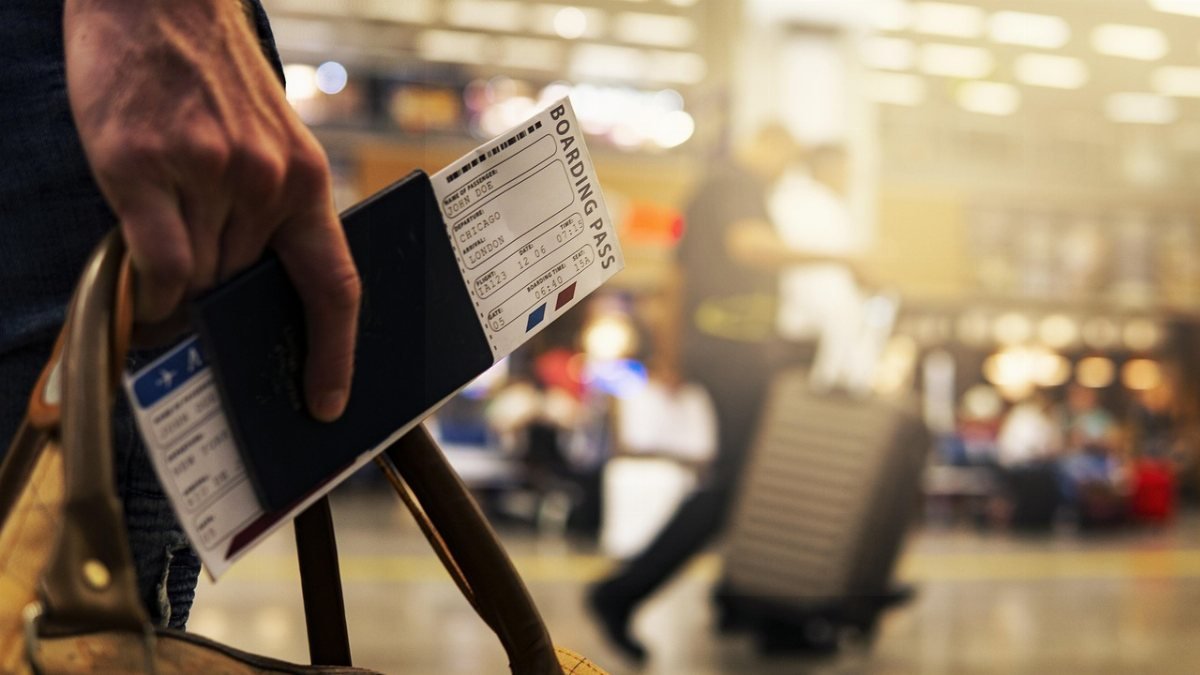
- A flight reservation is a real airline booking record with a booking reference, not a ticket you have paid to fly on
- Entry officials decide whether to ask for onward flight proof, so it is not always requested
- Airlines set their own check-in rules, and these can differ from the entry requirements
- Check the official Thai immigration and airline pages for the latest guidance before you book
- Keep a PDF and a screenshot of your reservation with the booking reference visible
What is onward flight proof for Thailand entry?

Onward flight proof is a record showing that you intend to leave the country you are entering within the period you are permitted to stay. For Thailand, it is the sort of document a traveller may be asked to show at check-in or on arrival, so that the person on the desk can see there is a plan for leaving rather than an open-ended stay. It is not a visa, and it does not decide whether you are allowed in. That decision rests with the immigration officer on the day.
The reason officials ask is practical. They want to see that a visitor is travelling on a temporary basis and has a clear way of moving on, which is why a short holiday with a return or onward journey tends to look straightforward. Airlines also ask for evidence before boarding, because they can be held responsible if a passenger is refused entry and must be flown back at their cost.
Take a common case. A British traveller flying from Manchester to Bangkok for a three-week trip might be asked to show a flight leaving Thailand, perhaps to Singapore or back towards Europe, dated within the time they plan to stay. Having that flight written down, with a reference number and a date that fits the trip, lets them answer the question calmly rather than scrambling at the desk.
Is a flight reservation the same as a paid ticket?
A flight reservation and a paid ticket can look alike on screen, and it helps to know where they differ. A reservation is a booking record held by the airline: it has a passenger name, a route, a date and a booking reference, and the seat is held for you. It may or may not have been paid for yet, depending on the airline and how the booking was made. A paid ticket is the same record with the fare settled in full, so the airline treats the seat as sold and confirmed.
For most visa paperwork and onward-flight questions, the reservation with its reference is what people need to show. The reference lets an official or an airline agent look up the booking and see that a real flight exists on the dates given. Paying in full matters more when you actually intend to fly, because an unpaid reservation can be cancelled by the airline if the payment deadline passes.
Take someone flying from Manchester to Bangkok who needs to show a flight out of Thailand a few weeks later. A reservation with a reference number, a clear route and a date that fits their stay will usually serve the purpose of the file, while they keep the option to pay in full closer to travel. If they later decide to fly, paying the fare turns that same booking into a confirmed ticket with the same reference, so nothing needs to be rebooked.
When you are reading a booking confirmation, look for the words "booking reference" or "record locator", the airline's name and your name spelled as it appears on your passport. Keep the reference safe and note the payment status so you know exactly what you are holding.
TABLE flight reservation, paid ticket and airline hold compared
Before comparing the three, it helps to know that they describe different things. A flight reservation is a booking record held with an airline or agent, with a reference, a route and dates, but it may not be paid for. A paid ticket means the fare has been settled and the airline has issued the ticket, usually with an e-ticket number. An airline hold is a temporary block on seats that the airline keeps for a short window, after which it releases them if no payment is made.
Cost is where the differences are most obvious. A reservation can be made for a small fee or sometimes at no charge, depending on the provider, while a paid ticket carries the full fare. An airline hold usually costs nothing but lasts only a limited time, so it suits people who need proof quickly but do not yet intend to fly.
Validity matters too. A reservation or hold expires if it is not paid for by the stated deadline, whereas a paid ticket stays valid until the travel date and any change or refund rules apply. Ask yourself how long you need the record to exist and whether a visa officer or airline will look at it after the trip has been planned.
Take a UK passport holder heading to Chiang Mai with a visa application to complete. A paid ticket might be more than they wish to spend before the decision, so a flight reservation with its reference often serves the purpose, provided it is clearly stated as unpaid. If they plan to travel within a few days, an airline hold may be the simplest route. Choose the option that matches your timeline and budget, and always check the payment status shown on the record.
Will a UK passport holder be asked for onward flight proof?
Many UK passport holders are never asked to show onward travel at all when they arrive in Thailand. Whether an officer asks depends on the arrival point, the length of stay being claimed, the traveller's overall plan, and the officer on duty that day. Because of this, nobody can promise you will or will not be asked, and it is sensible to prepare for the possibility rather than rely on luck.
A common situation is someone arriving at Suvarnabhumi Airport in Bangkok who has a return or onward flight already booked, a hotel confirmed for the first few nights, and a clear reason for the visit such as a two-week holiday. If the flight is booked on a date that fits the trip, the question rarely comes up, and the reservation simply sits in the phone or printout as a backup. A different case is a traveller arriving overland from a neighbouring country, or someone with no return flight who has said they are still deciding their next move, where a question is more likely.
Because policies and officer discretion can change, it is wiser to keep your onward travel details ready than to assume you will not need them. A reservation record that clearly shows your name, the route, the date and a booking reference lets you answer quickly and calmly if asked. Having it on hand also helps if your airline asks to see it at check-in before you board, which is a separate matter covered by the airline's own rules.
What should the reservation show before you travel?
Before you travel, it helps to check that your reservation says the right things, because a document that looks tidy but misses a key detail can cause more trouble than having none. Start with the passenger name. It should match your passport exactly, including the spelling, the order of names and any middle name. If the airline record shows a shortened name or a nickname, ask for it to be corrected before you rely on it.
Next, look at the dates and route. The reservation should show the departure city, the arrival city, the outbound date and the onward or return date that leaves Thailand. Check that the times and the airports are right, as a booking that appears to be for the wrong airport or the wrong day can raise questions that are hard to answer in a hurry.
The booking reference, sometimes called a PNR or confirmation code, is the thing that lets anyone check the record with the airline. It should be clearly printed and easy to read, and it should appear on the document you receive. You should also see the airline name, the flight number and the booking status, which should read as confirmed or held rather than simply requested.
For example, a graphic designer from Manchester planning a three-week trip into Bangkok might find her reservation shows the flight from Bangkok to London on the 21st, with her passport name spelt exactly as printed. She can then match each detail against her passport before she sends anything.
How do airline check-in rules differ from entry rules?
Airline check-in rules and immigration entry rules are two separate sets of conditions, and they do not always match. The airline sets its own check-in conditions on its website and in its conditions of carriage, and it applies them before you can board. Immigration officers at the Thai border apply the national entry rules when you arrive, and those rules are what decide whether you are admitted. An airline may ask for something its own policy requires, even where the entry rules would not ask for it, and the reverse can also happen.
This means a traveller can pass one check and face the other. An airline might refuse to check someone in without a confirmed onward booking, while the officer at arrival may simply want to see that the traveller intends to leave. The airline is protecting its own position and its right to carry passengers, so its test is often stricter in form.
Take a British traveller flying from Manchester to Bangkok on a route with a connection in the Gulf. The airline's online check-in asks for the passenger's outbound journey to be shown before the boarding pass is issued, and the check-in desk may ask to see it too. The traveller therefore needs the reservation with a booking reference in hand from the start, not only at the border.
The practical lesson is to read the airline's check-in page for your exact route, note what it asks for, and keep that document ready alongside your passport.
Can you use a flight reservation for a visa application?
Many visa applicants wonder whether a flight reservation can go straight into their visa file, and the honest answer is yes, often it can. A flight itinerary with a booking reference shows the consulate or embassy a planned route, dates and an intended departure, which helps them judge how long you intend to stay and whether you plan to leave. It is one piece of supporting evidence among others, such as your accommodation, your reasons for travel and your financial position. Where a country asks for proof of onward travel, a reservation that matches your passport details and dates is the sort of document reviewers expect to see.
Take a common case: a British applicant from Manchester applying for a Schengen visa for a ten-day trip to Lisbon, travelling with a return flight from Lisbon back to Manchester. The reservation shows the outbound and return legs with a booking reference the consulate can check, and it sits in the file beside a hotel booking and travel insurance. A reservation like this is evidence, not a promise, and it does not replace the consulate's own requirements, which can differ from one country to the next and can change.
The embassy or consulate alone decides whether your application is approved. A flight reservation cannot secure a visa, and no document can. Read the official guidance for the country you are applying to, check exactly which documents it lists, and only submit information that is true and matches your plans. If your trip changes, update the reservation rather than leaving an outdated itinerary in your file.
What if you plan to leave Thailand by land or another route?
If your exit from Thailand will be by land, by sea or by a route that does not involve a flight, the usual onward flight reservation does not fit your plans, and you need to think about what evidence actually applies to you. Many travellers who arrive in Thailand intend to cross into a neighbouring country by road, such as a bus from Bangkok to a border town, and they want to know whether a flight booking is still expected. The honest answer is that it depends on the entry rules in force and on how the authority at the border assesses exit plans, so you should not assume either way.
Take a traveller flying into Bangkok who plans to leave overland from Aranyaprathet to Cambodia a few weeks later. A flight reservation out of Thailand would not reflect that journey, and bringing one along would only create a mismatch with what they plan to do. In a case like this, the more useful step is to confirm the current requirements with the Thai embassy or consulate in your country, or with the immigration authority, and to ask specifically what they accept as evidence of onward travel by land. Written confirmation from the authority is far more reliable than a forum post or an old blog entry.
For a visa application, keep your file consistent with what you actually intend to do. If the plan changes from a flight to a land crossing, update your documents so they describe the real route rather than leaving an outdated itinerary behind. A flight reservation is useful when the exit is by air, but it should never be presented as proof of a plan you do not intend to follow.
Common mistakes and what to check before you book
Most problems with onward flight reservations are small, and they are easy to avoid once you know where to look. The most common is a name mismatch. The name on the reservation has to match your passport exactly, including the spelling, the order of names and any middle name that appears in the passport. A reservation booked under a nickname or with a typo can be questioned at check-in, even if everything else is correct, so compare every letter with your passport before you pay.
Wrong dates come next. It is easy to enter a day and month the wrong way round, or to pick a return date that falls before your planned arrival. Check the departure date, the time zone of the departure airport and the route itself, rather than trusting the summary page. A reservation that shows a flight leaving on a date you did not intend will cause more trouble than having no reservation at all.
Expired reservations catch people out too. Airlines release unpaid holds after a set period, so a booking made weeks earlier may no longer exist when you come to check in. Before you travel, look up the booking reference on the airline's own website and confirm that the status reads as active. Someone flying from Manchester to Bangkok via a connection, for example, should check that both legs still appear, because a missed first leg can cancel the rest.
Before you book, confirm the following:
- The name matches your passport exactly.
- The dates, airports and times are the ones you intend to use.
- The booking reference works on the airline's website.
- The reservation covers the full route you will actually take.
Useful next steps
- Work out your dates with the free visa timeline planner and check your papers with the reservation validity checker.
- Read: Visa Application Flight Reservation Mistakes: Seven Checks Before You Submit
- Read: Onward Ticket for Visa: Reservation, Refundable Ticket or Paid Ticket?
Frequently asked questions
Do I always need onward flight proof for Thailand?
Not always. Entry officials decide whether to ask, so it is wise to have it ready just in case.
Is a flight reservation enough for Thailand entry?
It is commonly used as onward evidence, but acceptance is at the discretion of officials and the airline.
What is a PNR and why does it matter?
A PNR is the booking reference that lets an airline or official look up your reservation, so it should be easy to see.
Can I cancel my reservation after I enter Thailand?
Reservations are generally held for the trip you choose, so check the airline's terms on changes or cancellation.
How long before travel should I book a reservation?
Book before your application or check-in, and check the airline's current rules for holding a reservation.
Where can I book a flight reservation for a visa file?
HappyVisiont offers verifiable flight reservations with a booking reference, delivered as a PDF within two hours, to help with your file.
Is a flight reservation the same as a ticket?
No. A reservation is a booking record with an airline reference. A ticket is paid for and lets you fly.
More from the blog
Return Ticket Proof for a Visa Appointment: What to Bring
Short answer: Return ticket proof for a visa appointment is usually a verifiable flight reservation, a real airline booking with a reference code that shows your...

Onward Flight Ticket Mexico Entry: What Officials May Ask About
Short answer: An onward flight ticket for Mexico is a booking that shows how and when you plan to leave the country, and it is often asked for at entry to confir...
Dummy Ticket vs Onward Flight Ticket for UK Travellers: What to Choose
Short answer: For most UK travellers, a real onward flight reservation with a booking reference is the document that fits a visa file, not a dummy ticket. A rese...