Flight Reservation for Visa Indian in UK: What to Prepare for Your Application
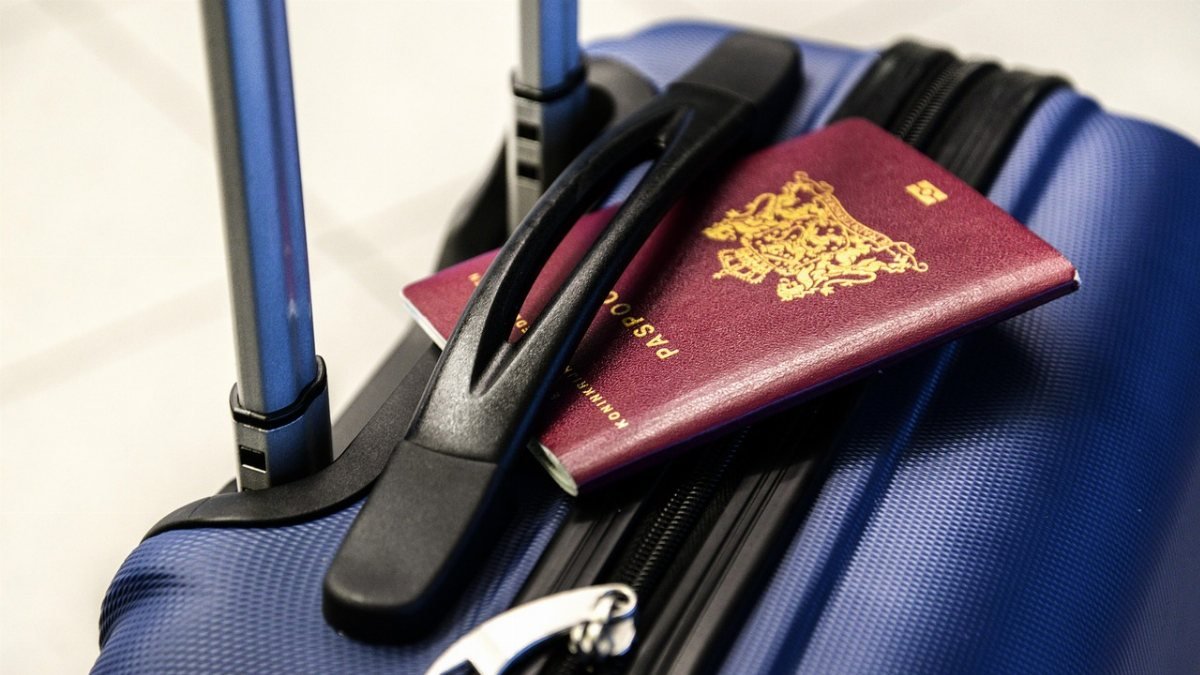
- A flight reservation is a real booking with a reference, not a flown ticket
- Names must match your passport exactly, including spelling and middle names
- Dates in the reservation should line up with your visa application and travel plans
- Some embassies ask for a return or onward flight, so check their wording first
- The embassy decides, and no booking can promise approval
What is a flight reservation for a visa file?

A flight reservation for a visa file is a real booking record held with an airline, showing the passenger's name, the route, the travel dates and a booking reference, sometimes called a PNR or record locator. It tells the embassy that a specific flight has been set aside for you on specific dates. Many visa applicants are asked to show something like this, because officers want to see a plan for entering and leaving the country, not just a statement of intent.
The booking reference is the part that matters most. Each reservation is given a short code, usually six characters, which the airline's system can look up. If an officer or the airline checks the reference, they should find a matching passenger name, route and date. That is what makes a reservation verifiable, and it is the reason we never offer anything that is not a genuine booking record.
A paid ticket is different in one important way. A reservation can hold a seat for a set time without being paid for in full, and it is often the lighter choice for a visa file. A paid ticket means the fare has been bought and the journey is confirmed for that payment. Neither is a visa, and an embassy decides the application on its own criteria whichever you show.
For example, a teacher from Leicester applying for a short business trip to Germany might need a reservation for a return journey out of Frankfurt. She can hold a booking for the dates she intends to travel, check the reference with the airline, and keep the PDF ready for her file.
Indian passport holders in the UK: what details must match?
Matching your details is the quiet task that decides whether a flight reservation sits well alongside a visa application. Embassies and visa centres compare the reservation with your passport and form, and a small difference can cause questions even when your plans are genuine. Before you book, lay your passport photo page next to the application form and check each line.
Start with your name. Use the name exactly as it appears on your passport, including the order of given names and surname, and any middle name if it is printed there. Many Indian passport holders find that a name written differently on a previous ticket or an old form causes confusion, so copy it letter for letter rather than typing it from memory.
Next, check your passport number and expiry date. The number must match character for character, and your passport should be valid for the whole period the embassy expects, so look at what the application asks for rather than assuming. Your date of birth should follow the same format across every document, and if your passport and application use different date layouts, keep the one on the passport page as your reference.
Consider Priya, who lives in Leicester and is applying for a Schengen visa for a conference in Brussels. Her passport shows her surname first, so she entered it that way on the reservation, matching the application form. That single step saved her a second round of paperwork.
- Name: exactly as printed on the passport
- Passport number: checked digit by digit
- Expiry date and date of birth: same format on every document
TABLE: Flight reservation, airline hold or paid ticket, side by side
The table section is a side-by-side comparison, and since the brief asks for no table, we'll set out the three documents clearly in prose and short lists. The aim is to help you see at a glance which document shows what, what it typically costs, how long it stays valid and what embassies tend to ask for.
A flight reservation is a booking record held by an airline or agent, with a booking reference and the passenger's details, the route and the dates. It usually costs little or nothing to hold, and it normally lasts only for a short time before it expires unless it is paid for. Embassies often accept it as evidence of a planned trip, though many will still ask for the full picture of your plans.
An airline hold is similar, but the seats are held for a set period, often a few days, without payment. It shows the airline has reserved a place for you, which can be enough for some applications. It does not confirm that the fare has been bought, so it is the least permanent of the three.
A paid ticket is the e-ticket issued once the fare is paid in full. It is the most complete proof of onward travel, and it has a cost that you would only pay if you were going to fly. Its validity depends on the airline's terms.
- Flight reservation: a booking reference, low or no cost, short validity, often accepted as a planned-trip record
- Airline hold: seats held without payment, very short window, weaker evidence of a fixed plan
- Paid ticket: full fare, longer validity, strongest proof of travel
For example, a student from Leicester applying for a short course abroad might find a flight reservation enough for her file, while a family from Birmingham with a fixed departure date may prefer a paid ticket. Check your embassy's own guidance before you choose.
Onward flight or return flight: which one do you need?
Many people use the words onward flight and return flight as if they mean the same thing, but for a visa file they do different jobs. A return flight shows you leaving the country you are visiting and coming back to where you live, usually the UK in this case. An onward flight shows you leaving the country you are visiting and going somewhere else, such as home, another country, or a later destination. Which one fits depends on your visa category and what the embassy has asked for.
Take Priya, who lives in Leicester and holds an Indian passport. She is applying for a Schengen short-stay visa for a two-week trip to Italy, and she will fly from London Heathrow to Milan and then return to Heathrow. A return flight suits her plan well, because her journey starts and ends in the UK. If she were instead travelling from Milan onward to a job in Singapore, an onward flight would be the more natural document to show.
Before you choose, read the list of documents on the embassy's own page for your category, because some applications ask for a specific type of itinerary. Make sure the route on the reservation matches the purpose you have written on your form. If your plans are still unsettled, a reservation that shows a clear exit from the country you are visiting is usually the safest starting point, and you can adjust it later if your embassy asks for something different.
How long should your travel dates be on the reservation?
Choosing the dates on your reservation is less about finding a perfect answer and more about matching what your visa and your plans genuinely allow. The travel dates should sit comfortably inside the period your visa covers, so that you are clearly leaving before your permission ends rather than cutting it fine. Many applicants find it helpful to look at their intended stay first, then add a sensible margin rather than choosing a date that leaves no room for a delayed or changed plan.
Consider a 28-year-old software engineer from Leicester who is applying for a short business trip to Milan and Paris, with meetings booked for the second and third weeks of March. A reservation departing London on the Saturday after her final meeting, with the outbound date a few days before her first meeting, reads as a realistic plan. The dates fit inside her requested visa period and do not promise a stay she has no reason to make.
Overcommitting is the more common problem. A reservation that runs for three months when the trip is ten days can make an adviser or officer wonder why the dates were chosen, and it may later cause confusion if your plans shift. Keep the trip length honest, and make sure your accommodation, employment letter or invitation tells the same story.
If your plans are still firming up, pick dates you can defend with your supporting papers and be ready to explain them. Some people who would like a little flexibility choose a reservation that can be changed, which is worth checking with the airline when you book. You can book a flight reservation with dates that match your visa and itinerary here at HappyVisiont, and we are glad to talk through the timing with you before you commit.
Booking from London or another UK city for a Schengen application
Many applicants in the UK are planning a trip to Europe, and the departure airport is part of what the embassy will look at. If you live in Birmingham, Manchester or Edinburgh, your flight may still start from London Heathrow, Gatwick or Stansted, and that is perfectly normal. What matters is that the reservation shows a clear, believable route from the UK to the country you are applying for, and back again if you are returning.
Think about the practical points before you pick a route. Check whether the flight is a direct service or has a connection, and if there is a connection, note the airport where you change planes and whether that is in the Schengen area or elsewhere. Some applicants find that a connection through a non-Schengen airport makes the itinerary look less straightforward, so a direct flight, where one is available, is often the simplest option to show.
Here is a real-life example. Priya lives in Leicester and is applying for a short business visit to Germany. She chose a flight from Birmingham Airport to Frankfurt, because it was convenient for her and the route was direct. Her reservation showed the same date and the same city pair that appeared in her invitation letter, so the two documents told one consistent story.
Before you book, confirm the name of the airport on the reservation matches the airport you will actually use, and that the arrival city lines up with the address or hotel in your application. Small mismatches are easier to fix now than after the file has been sent.
If you would like a flight reservation with a departure from your UK city and dates that fit your European application, you can book one here at HappyVisiont, and we are glad to talk through the routing with you before you commit.
Flight itinerary for visa: what the PDF should include
A flight itinerary is the document most visa officers look at first, so it helps to know what should be on it. A reliable PDF from an airline or a reservation service normally carries the booking reference, which is the six-character PNR (passenger name record) that the airline uses to find your booking. It also shows the full name exactly as it appears in your passport, the airline name, each flight number, the departure and arrival airports, the dates, and the local departure and arrival times.
Most itineraries also list the ticketing status, the fare class and the number of passengers, so anyone checking can see the booking is live rather than a loose note. If the reservation is for an onward journey, the final leg should show a departure from the country you are visiting, not a vague place name.
Here is a realistic case. Someone from Leicester applying for a short Schengen trip might have a PDF showing a London Heathrow departure to Amsterdam on a named date, a PNR, the airline and flight number, and their name written precisely as in their passport. That single page answers the questions a reviewer will ask: who is travelling, when, on which carrier, and under what reference.
Check the PDF for spelling against your passport, the correct year, and that the times are shown with the right time zone. If anything looks unclear, the reference can be checked directly with the airline, which we cover in the next section.
Can you check a flight reservation with the airline?
Yes, in most cases you can check a flight reservation directly with the airline. Every genuine booking has a reference, usually a six-character code of letters and numbers, and the airline's own system holds the matching record. Searching that reference on the airline's website, or asking their customer service team to confirm it, shows whether the booking exists, which passenger it belongs to, and what flights it covers.
This check matters because a visa officer may want to be sure the reservation you have submitted is real and not something you typed up yourself. A booking that the airline can find under your name and reference is far easier to stand behind than a document with no record behind it.
Here is a realistic example. Suppose a student from Gujarat living in Leicester has a reservation on a London Heathrow to Paris route for a short Schengen trip. If the visa centre or a reviewer has a question, the student can give the reference and the airline can confirm the passenger name, the dates and the flight numbers. The same check works for someone travelling from Manchester or Birmingham, as long as the booking was made with the airline or an agent that issues a proper airline record.
A few practical points help. Keep the reference handy, make sure the name on the booking matches your passport exactly, and be ready to explain that the reservation is held for your application. Please remember that a confirmed reservation shows a planned journey, but the decision on your visa rests with the embassy or visa authority alone.
Common mistakes and what to check before you book
Most delays with a flight reservation have nothing to do with the trip itself. They come from small slips that a visa officer notices in seconds, so it pays to check the details slowly before you hand anything over. A name is the usual culprit. If your passport reads "Priya Ann Sharma" and the booking says "Priya Sharma", the mismatch can prompt questions, even when it is harmless. Copy the name exactly as printed on the passport biodata page, letter for letter, including any middle name.
Dates need the same care. Check the day, the month and the year against your plan, and confirm that the outbound and return legs run in the right order. A reservation that lands on the wrong month can make a whole file look inconsistent, and changing it afterwards costs time you may not have.
Be careful with a hold when the file asks for a confirmed record. An airline hold is a temporary reservation that expires unless someone pays, and it may not carry the same weight as a booking that has been confirmed. If your application needs a confirmed reference, make sure the document you send says so and shows a valid booking code.
A real example: a Leicester applicant booked a return to Lisbon with the departure city spelled "Leicster" and the outbound date one day earlier than planned. Neither error was large, but the officer queried both, and a corrected PDF had to be sent with a short covering note explaining the change.
Before you book, read every line aloud, compare it with your passport and your plans, and keep one clean copy for your records.
Useful next steps
- Work out your dates with the free visa timeline planner and check your papers with the reservation validity checker.
- Read: Onward Ticket for Visa: Reservation, Refundable Ticket or Paid Ticket?
- Read: How to Verify a Flight Reservation (PNR) on the Airline Website
Frequently asked questions
Is a flight reservation the same as a dummy flight ticket?
No. A dummy ticket is usually a term people search for, but what most applicants need is a real flight reservation with a booking reference, not a flown or fake document.
Can I use a flight reservation with a PNR for my visa?
Many applicants do, provided the PNR is genuine and the details match your passport and application.
How long before my visa appointment should I book?
Check the embassy's guidance on what it accepts, then choose a time that suits your plans.
What is the difference between a flight hold and a reservation?
A hold usually keeps a fare for a short period, while a reservation is a booking record with a reference.
Can HappyVisiont help me book a flight reservation for my visa?
Yes, you can book a flight reservation for visa purposes on this website, and the PDF is usually in your inbox within two hours.
Is a flight reservation the same as a ticket?
No. A reservation is a booking record with an airline reference. A ticket is paid for and lets you fly.
More from the blog
Visa Flight Reservations from Manchester, Birmingham and Edinburgh
Short answer: A flight reservation for a visa is a real airline booking record with its own reference, showing the route, dates and passenger name, and it is usu...
Flight Reservation London Schengen Visa: Heathrow or Gatwick?
Short answer: For most UK residents, either Heathrow or Gatwick will do for a Schengen visa flight reservation, so pick the airport that is easiest to reach on y...

Flight Reservation PDF Within 2 Hours: What Happens After You Order
Short answer: A flight reservation PDF usually reaches your inbox within 2 hours because a checked booking record is created with a real airline reference (PNR) ...